Torn between Mission Beach and Pacific Beach for your condo search in 92109? You are not alone. Both neighborhoods offer sun, sand, and a lively coastal lifestyle, but the experience and ownership details differ in meaningful ways. In this guide, you will learn the lifestyle tradeoffs, condo types, rules for short‑term rentals, climate and insurance factors, and a practical checklist to shop with confidence. Let’s dive in.
Mission Beach vs. Pacific Beach at a glance
Mission Beach is a narrow peninsula with the ocean on one side and Mission Bay on the other, which concentrates condos near the sand and boardwalk living. This compact layout creates more ocean‑adjacent options and a premium for steps‑to‑sand locations (Mission Beach overview).
Pacific Beach sits just north with a larger footprint, from oceanfront to inland streets and mid‑rise condo communities. You will find more building variety and a wider price spectrum across blocks, especially as you move inland (Pacific Beach overview).
Walkability and getting around
Both areas deliver a strong walk‑to‑the‑beach lifestyle. The Ocean Front Walk runs through North Pacific Beach into Mission Beach, putting cafes, rentals, and sand at your doorstep. The path is a major perk for running, biking, and easy beach access (boardwalk details).
For trips beyond the coast, most owners still rely on a car. Expect parking to feel tight near the oceanfront, especially on weekends and holidays.
Condo types and building differences
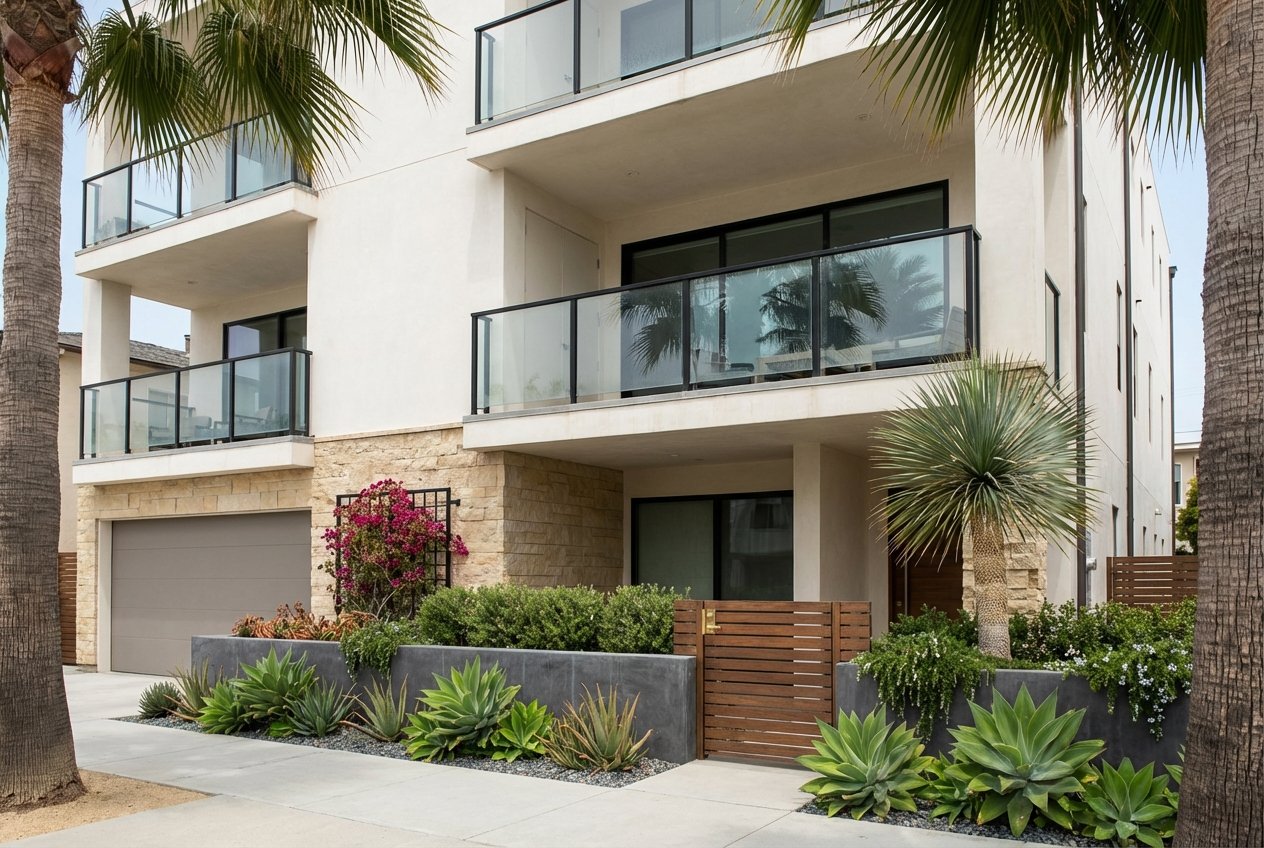
Mission Beach combines older seaside cottages, small condo buildings, and narrow townhomes with compact footprints. Unit sizes can be modest, especially near the boardwalk, which drives up price per square foot relative to larger inland options (Mission Beach history and layout).
Pacific Beach offers a broader mix. You will see oceanfront buildings at the water’s edge and more conventional mid‑rise condo communities inland, often with larger floor plans and amenities. That variety creates more options for layout, parking, and HOA structures (Pacific Beach overview).
Prices and value drivers
Across 92109, listing and rental values run well above typical San Diego neighborhoods. Within the zip, oceanfront Mission Beach units often command the highest price per square foot, while Pacific Beach shows broader price bands as you move inland. Inventory and days on market vary seasonally, so verify current numbers with live MLS data before you write an offer.
What drives value most here is simple: distance to sand and boardwalk, view quality, parking, building age and condition, HOA financial health, and rental flexibility.
Rental potential and rules you must know
If you are exploring short‑term rentals, start with San Diego’s Short‑Term Residential Occupancy (STRO) program. Whole‑home licenses are capped by community area, and Mission Beach has a specific Tier 4 carve‑out with separate caps. Licenses are not transferable between hosts or locations, and host rules are specific. Check the City’s STRO resources for current status before you underwrite any income (STRO program overview).
Operating a legal short‑term rental also requires Transient Occupancy Tax registration and remittance. Plan for compliance and operating costs in any revenue model (TOT requirements).
If your strategy is long‑term rental, demand in PB/MB is steady, but yields are often modest given high asset values. Confirm HOA leasing rules and any building limits that affect tenanting.
Financing and warrantability
Some vacation‑oriented condo projects with high short‑term rental concentration may be considered non‑warrantable by conventional lenders. That can limit loan options or change rates and down‑payment requirements. Ask your lender early about FHA, VA, or Fannie‑eligible project status and single‑unit approval paths where applicable (FHA and condo eligibility basics).
Climate risk and insurance
Both neighborhoods sit on the coast, which means exposure to coastal flooding and sea‑level rise scenarios. Mission Beach’s narrow, low‑lying geometry increases sensitivity to high tides and storm surge relative to inland parts of PB. Use NOAA’s Sea Level Rise Viewer to understand parcel‑level scenarios, then pair that with any available Elevation Certificate and your lender’s flood determination (NOAA SLR Viewer).
San Diego adopted a Coastal Resilience Master Plan in 2025 that prioritizes pilot adaptation projects in Mission Beach and the Pacific Beach–Tourmaline area. Public projects can help reduce long‑term risk, but they do not remove near‑term exposure or private insurance needs (City coastal resilience update).
Insurance is a key diligence item. Standard condo policies typically exclude flooding, and flood coverage may be required if the building sits in a Special Flood Hazard Area. Confirm with the HOA whether flood is covered by the master policy or must be purchased separately, then review deductibles and exclusions carefully (FEMA Map Service Center). California HOAs must disclose an Annual Budget Report with an insurance summary, so request those documents early (HOA budget and insurance summary).
Which neighborhood fits you?
Choose Mission Beach if you want:
- Steps‑to‑sand living and a true boardwalk vibe.
- Compact footprints where price per square foot is driven by beachfront exposure.
- Historically strong interest in vacation stays, with current operations governed by the City’s STRO program.
- Acceptance of tighter parking, higher exposure to coastal risk, and careful insurance planning.
Choose Pacific Beach if you want:
- A broader mix of condo types, from oceanfront to inland mid‑rises with larger floor plans.
- More options across price points and potentially wider financing paths for warrantable projects.
- Lively commercial pockets near Garnet Avenue balanced by quieter residential streets.
- Steady long‑term rental demand, with the same City STR framework in place for any short‑term strategy.
Smart buyer checklist for 92109 condos
- HOA documents: CC&Rs, bylaws, rules, 12–24 months of minutes, the Annual Budget Report and reserve study. Review reserves, delinquencies, loans, and any special assessments (HOA budget and insurance summary).
- Master insurance: Obtain the HOA policy declarations. Confirm flood and earthquake coverage, limits, and deductibles. Determine your HO‑6 needs and any coverage gaps.
- Litigation check: Ask about any pending or recent association litigation that could affect insurability or lending.
- STR and leasing rules: Align your plan with HOA rules and the City’s STRO program. Confirm license availability and requirements, and register for TOT if you plan to operate a legal STR (STRO program overview, TOT requirements).
- Flood and elevation: Pull FEMA flood status and request any Elevation Certificate or LOMA from the seller. Know your lender’s flood insurance requirements (FEMA Map Service Center).
- Financing: Ask your lender to verify project eligibility for FHA, VA, or conventional standards and discuss non‑warrantable paths if needed (FHA and condo eligibility basics).
- Market comps: Review active, pending, and recent sales for your micro‑location, including HOA dues and payment period, parking, view quality, and condition.
Ready to compare specific buildings, HOA health, and financing paths side by side? Reach out to The Sirin Daum Group for a curated tour and a data‑driven plan tailored to your goals in Mission Beach or Pacific Beach.
FAQs
How do Mission Beach and Pacific Beach condo prices compare in 92109?
- Expect higher price per square foot near the sand, with Mission Beach oceanfront often at the top; Pacific Beach offers a wider range of prices as you move inland. Always verify current comps through the MLS.
Can you operate a short‑term rental in a 92109 condo?
- Maybe, but only if both the HOA allows it and you comply with San Diego’s STRO licensing. Licenses have caps by area, are not transferable, and require TOT registration and remittance.
What HOA costs should you expect for oceanfront condos?
- Dues vary widely by age, amenities, and insurance structure. It is common to see higher dues in oceanfront buildings, so confirm the payment period, included services, reserve strength, and any special assessments in writing.
Is flood insurance required for coastal condos in 92109?
- It depends on the building’s FEMA flood zone and lender policy. Check the FEMA map, review any Elevation Certificate, and confirm whether the HOA master policy includes flood or if you must purchase separate coverage.
Are condos near the boardwalk easy to finance with FHA or VA?
- It depends on the project’s eligibility and reserve, insurance, and owner‑occupancy metrics. Vacation‑heavy buildings may be non‑warrantable, so ask your lender to review project status early.