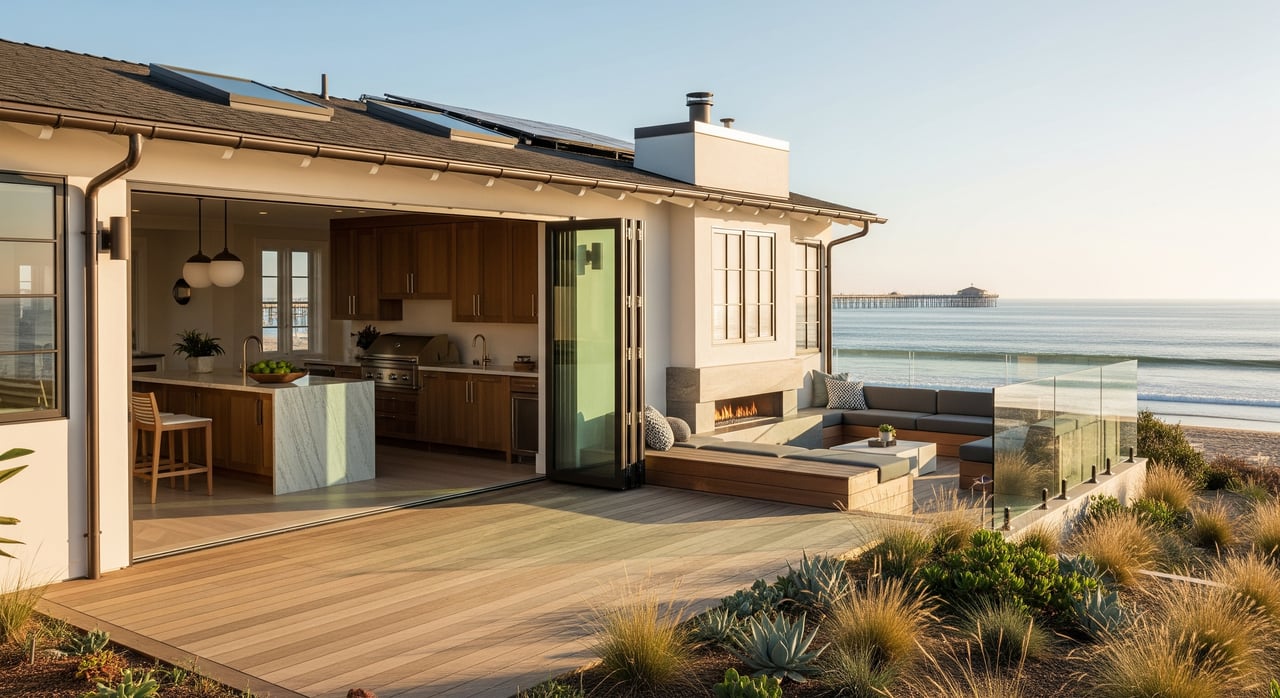
Salt air, sun, and sand make Ocean Beach living special, but they can be tough on a home. If you want stronger resale or simply easier everyday living, the right upgrades will help you enjoy OB now and position your property to stand out later. You do not need a full gut renovation to make a big impact. You just need materials and features that match how buyers actually live by the beach.
Below, you will find smart, value-adding improvements tailored to Ocean Beach’s climate, housing stock, and buyer priorities, plus a simple plan to tackle them in the right order. Let’s dive in.
What Ocean Beach buyers prioritize
Ocean Beach is a compact, walkable coastal neighborhood known for its surf culture, older cottages and bungalows, and proximity to the pier and local shops. For a quick neighborhood snapshot, see the Ocean Beach overview on Wikipedia and the events and small-business focus on Ocean Beach MainStreet.
In OB, buyers often trade interior size for location and lifestyle. They look for features that make beach living easy:
- Walkability and quick access to the sand and local amenities.
- Indoor–outdoor flow with usable decks and patios.
- Low-maintenance exteriors and finishes that hold up to salt air.
- Practical storage for surfboards, bikes, and wetsuits.
- Comfortable, efficient windows and doors that manage sun, breeze, and noise.
These priorities line up with broader buyer trends that highlight outdoor spaces and location as top wants, as reported by the National Association of Realtors research hub.
Plan for coastal conditions and rules
Ocean Beach homes sit in a marine environment where salt, humidity, and UV exposure accelerate wear. Metals can corrode, paint can fade faster, and standard fasteners may fail sooner than expected. Guidance from corrosion experts like AMPP reinforces using corrosion-resistant materials and finishes in these settings.
You should also factor in local planning. If you plan structural changes, additions, or work near the shoreline, review permit rules with the California Coastal Commission and the City of San Diego. Parking and setbacks can be tight on OB’s narrow lots, so always confirm what is feasible before you design.
Upgrades that add value in OB
Below are proven improvements that fit Ocean Beach’s climate and buyer expectations. Each one focuses on durability, low upkeep, and lifestyle.
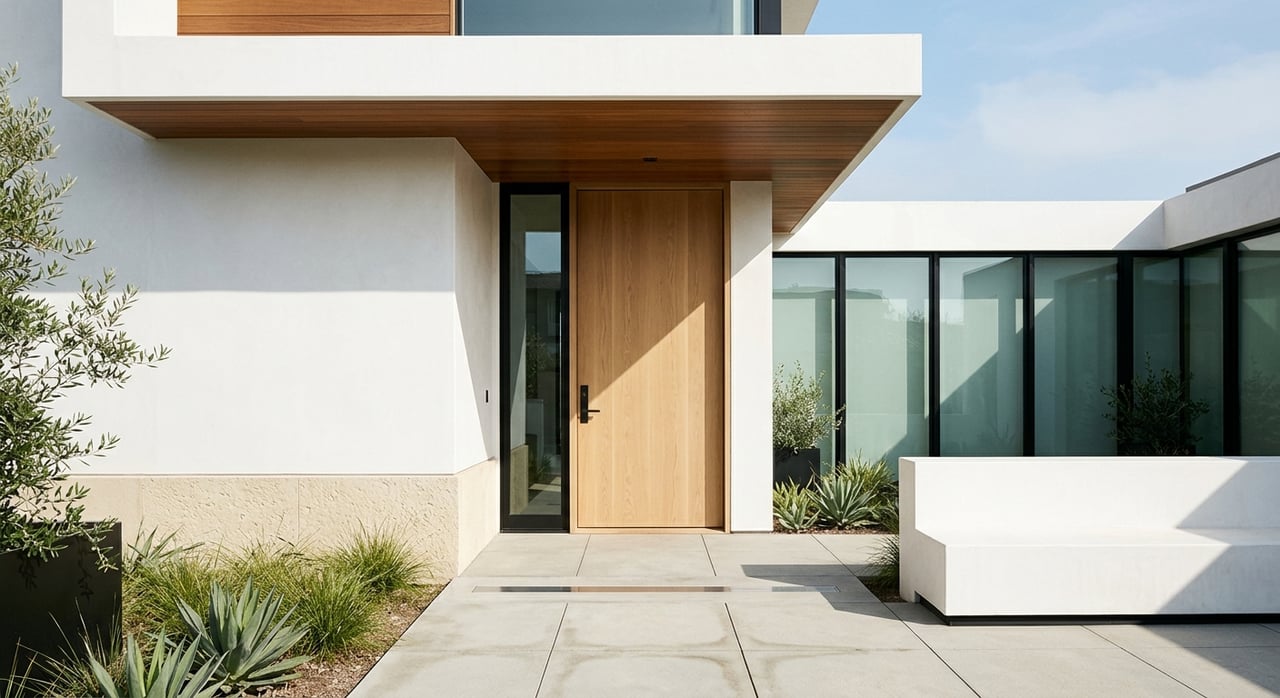
Low-maintenance exterior cladding and trim
If your siding or trim shows peeling paint or rot, upgrading the exterior is often your best first step. Fiber-cement siding and high-quality PVC trim perform well in coastal conditions. Manufacturer guidance from James Hardie highlights fiber cement’s durability in salt air.
- Choose fiber-cement siding or cementitious stucco with corrosion-resistant lath and fasteners.
- Use marine-friendly caulks and paints formulated for UV exposure.
- Replace failing wood trim with engineered or PVC trim to reduce maintenance.
Why it helps: You reduce future repainting cycles, prevent moisture damage, and boost curb appeal, which buyers notice immediately.
Corrosion-resistant metals, hardware, and railings
Salt air can stain and weaken standard metals. Where you can, specify marine-grade stainless steel, such as 316, for exterior fasteners, railings, and hardware. For structural steel, hot-dip galvanizing with a protective coating is a strong option.
- Replace rust-prone deck screws, nails, and joist hangers with corrosion-resistant versions.
- Choose exterior light fixtures and door hardware designed for coastal use.
- Keep an eye on visible rust and address it promptly to prevent deeper damage.
Why it helps: Eliminating rust spots and flimsy fixtures gives buyers confidence that the home has been cared for in a demanding climate.
Windows and exterior doors built for the coast
Windows and doors are comfort and efficiency drivers. Coastal-rated, ENERGY STAR qualified windows can improve temperature control, reduce UV damage, and help with noise. See the ENERGY STAR guidance for residential windows and doors for performance basics.
- Consider vinyl or fiberglass frames, or properly coated aluminum, paired with low-E insulated glass.
- Laminated glass can help with noise on busy beach blocks and adds a security benefit.
- Ensure weatherstripping and seals suit salty, windy exposures.
Why it helps: Window replacements are consistently among the better ROI projects and a visible signal of quality.
Durable decks, patios, and outdoor surfaces
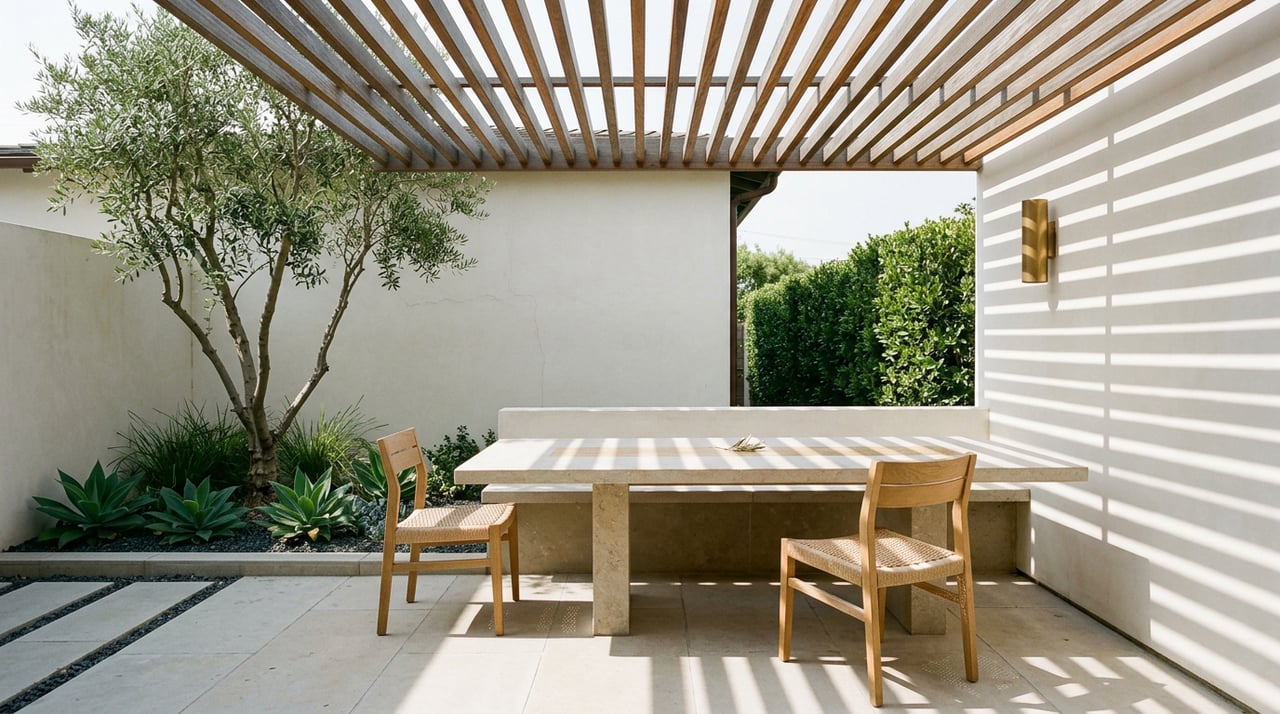
Outdoor living is core to OB life. Choose materials that clean easily and resist moisture and sun. For decking, capped composite products are popular for low upkeep; see durability context from Trex composite decking.
- Use capped composites or exterior-rated hardwoods with stainless fasteners.
- Opt for concrete or pavers with slip-resistant finishes in wet areas.
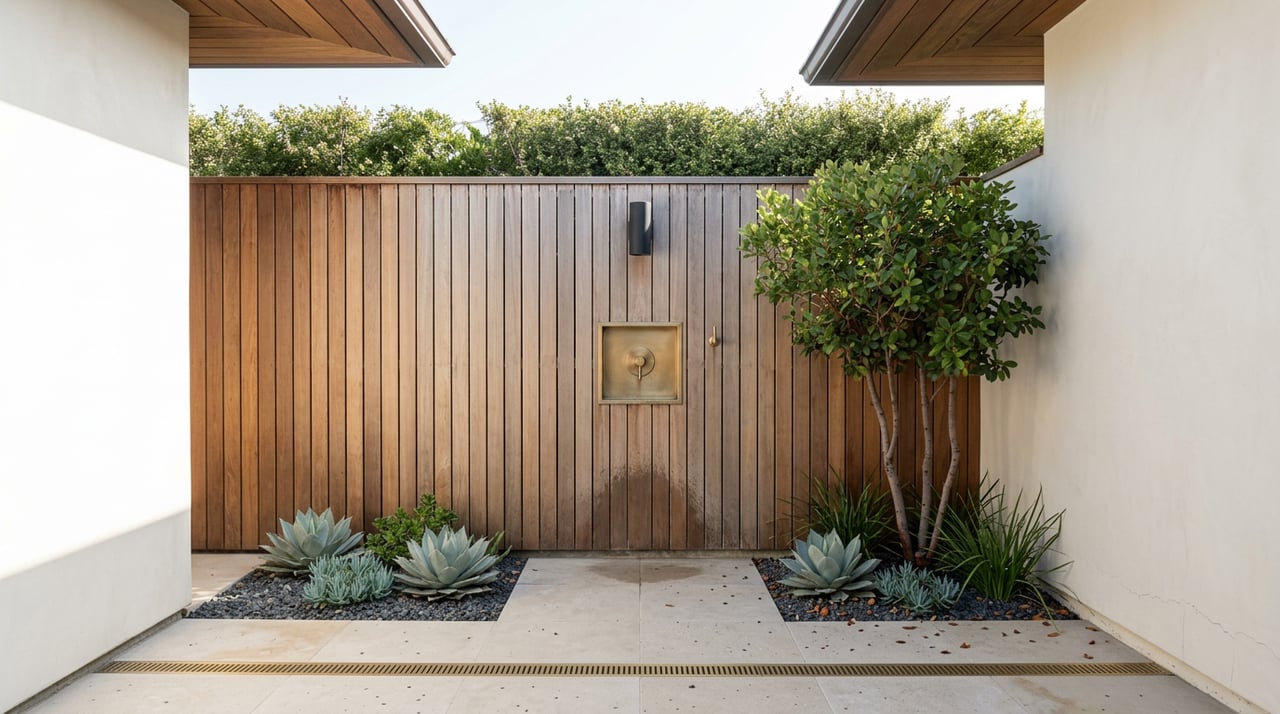
- Design for drainage so salt and sand do not collect.
Why it helps: Buyers want to dine, lounge, and rinse off gear outside without constant maintenance.
Improve indoor–outdoor flow
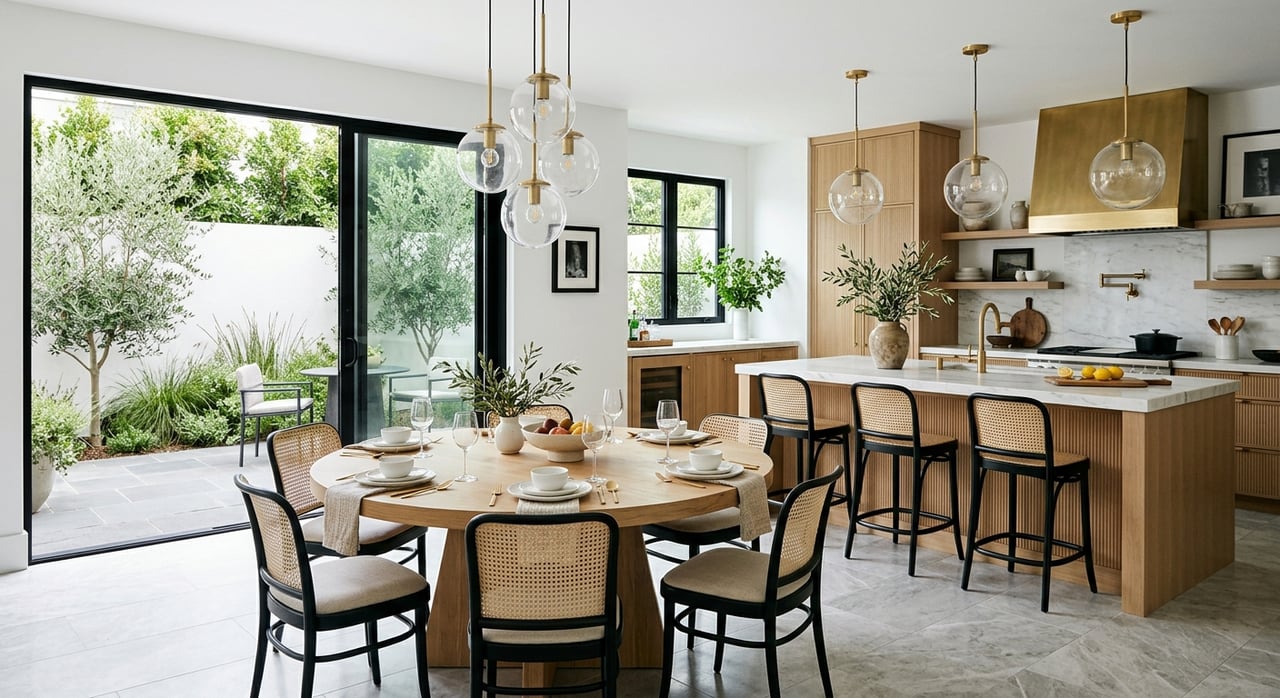
Even small cottages feel bigger when you create clear sightlines and easy transitions to patios or yards.
- Add or widen a sliding or folding door where structure allows.
- Keep flooring transitions flush between inside and outside surfaces.
- Use a simple awning or pergola to shade a seating area and expand usable space.
Why it helps: Better flow reads as more functional square footage and showcases the lifestyle buyers want.
Surf and gear storage that actually works
Boards, bikes, and wetsuits need a home that is not your living room. A compact, ventilated mud area by the entry reduces sand indoors.
- Install vertical board racks and wall-mounted bike storage to save floor space.
- Use ventilated hooks or cabinets for wetsuits to prevent mildew.
- Choose easy-to-clean finishes like sealed concrete or porcelain tile.
Why it helps: Storage is a real pain point in OB. Organized solutions make your home more practical and appealing.
Parking and access improvements
Parking is scarce on many OB blocks. If site and rules allow, even a small off-street parking pad can be a differentiator.
- Evaluate alley access and setbacks with the City of San Diego before planning.
- Add secure bike storage where vehicle parking is not feasible.
- Clean up and clearly mark any existing on-site spot to show function.
Why it helps: Easier parking reduces day-to-day friction and can materially increase desirability.
HVAC, ventilation, and moisture control
Coastal humidity is hard on homes. A properly sized, efficient system with good filtration and dehumidification protects comfort and structure.
- Improve attic and crawlspace ventilation to manage moisture.
- Seal and insulate to reduce condensation and salt intrusion.
- Service equipment on schedule and consider coastal-rated components.
Why it helps: Comfort sells, and moisture control preserves the home.
Exterior lighting and salt-tolerant landscaping
Simple, corrosion-resistant fixtures and drought and salt-tolerant plantings keep curb appeal high with less work.
- Favor natives, succulents, and ornamental grasses suited to sea air.
- Use low-voltage lighting to highlight paths and patios.
- Keep hardscapes easy to rinse so sand does not linger.
Why it helps: Clean, resilient outdoor spaces photograph well and reduce upkeep for you and future buyers.
Small kitchen and bath refreshes
In compact OB homes, targeted updates go far. You do not need a luxury overhaul.
- Choose quartz or porcelain counters, ceramic or porcelain tile, and water-resistant cabinetry.
- Add task and ambient lighting to brighten small rooms.
- Keep finishes neutral so buyers can imagine their own style.
Why it helps: Kitchens and baths influence offers. For ROI comparisons by project type, see the Remodeling report at Cost vs Value.
How to prioritize for ROI
Not every project needs to happen at once. Use this simple sequence to make smart progress:
- Fix what is failing. Address rot, roof leaks, active corrosion, and moisture problems first. You protect the structure and avoid surprises during inspections.
- Boost curb appeal and comfort. Update paint or siding, and replace tired windows or doors. These are visible wins that buyers notice immediately.
- Elevate lifestyle essentials. Improve decks and patios, fine-tune indoor–outdoor flow, and add surf and bike storage.
- Refresh key interiors. Tackle scaled kitchen and bath updates that match the home and neighborhood.
Project payoff always depends on timing, execution quality, and market conditions. For general guidance on which projects tend to perform better, review the regional comparisons at Cost vs Value and align scope to Ocean Beach’s bungalow scale and buyer expectations noted by the National Association of Realtors.
Staging to sell the OB lifestyle
Thoughtful staging helps buyers see how easy beach living can be in your home.
- Spotlight outdoor rooms. Set up simple, weatherproof dining or lounge areas with synthetic outdoor rugs and minimal, healthy plants.
- Show organized gear solutions. Include neat board racks, a small bench with hooks, and clear bike storage so buyers see a plan for sand and equipment.
- Use light, airy palettes. Neutral, natural textures feel fresh without going heavy on themed decor.
- Maximize flow in compact rooms. Remove extra furniture, use multifunctional pieces, and orient seating to views or patio doors.
- Photograph for lifestyle. Twilight photos of lighting and bright daytime shots of decks, storage, and any off-street parking help reduce buyer questions.
Industry research shows staging helps buyers visualize spaces and can support better outcomes, as noted in NAR’s staging resources within the NAR research hub.
A simple project roadmap
If you are prepping to sell within 6 to 12 months, keep things focused and tactical:
- 90 to 120 days out: Repair moisture and corrosion issues, repaint or refresh siding and trim, and confirm permit needs with the City or Coastal Commission if applicable.
- 60 days out: Complete window or door replacements, refresh landscaping, tune up lighting, and finish any deck or patio work.
- 30 days out: Install gear storage, declutter, and stage indoors and out for clean photos and easy traffic flow.
Ready to plan your next step or price out your options? For a local, design-forward strategy and a clear view of market value in Ocean Beach, connect with The Sirin Daum Group. Request your free home valuation and a custom upgrade plan that fits your timing and budget.
FAQs
What exterior materials last in Ocean Beach’s salt air?
- Fiber-cement siding, high-quality PVC trim, and marine-friendly paints resist moisture and UV better than standard wood in coastal settings.
Do I need permits for decks or additions near the beach in OB?
- Many projects require review, especially near the shoreline, so check rules with the City of San Diego and the California Coastal Commission before you design.
Are impact or laminated windows worth it in OB’s climate?
- Coastal-rated, ENERGY STAR qualified windows with low-E glass improve comfort and UV protection, and laminated glass can help with noise and security on busy beach blocks.
How can I add value if I cannot build a garage?
- Create a clean, legal parking pad where allowed, improve alley access, and add secure bike storage to reduce daily friction for buyers.
What are the best low-cost upgrades before listing in OB?
- Fix minor rot or rust, refresh exterior paint, improve lighting, stage outdoor rooms, and add simple surf and bike storage to highlight the lifestyle buyers want.